
Planning your decoration
Conservation, colour & exterior finishes
Colour approval begins with a clear description of the proposed work. An unchanged repaint, a new exterior scheme and the first coating of bare masonry raise different questions, especially where a building or its setting is protected.
Check the address and the proposal together
Use Merton's conservation-area list and maps to identify the correct boundary, then check whether the building is listed and whether an Article 4 direction applies. Read the direction's schedule for the works it controls. Designation does not provide a single answer for every door, window or wall, and a neighbouring property's treatment does not establish permission for your own proposal.
Sources: Merton: conservation-area documents; Merton: conservation areas and Article 4 checks
Separate maintenance from a changed treatment
Historic England's consent guidance explains that an unchanged repaint may leave special interest unaffected, while a different colour, finish or the first painting of masonry can require listed-building consent. The judgement depends on the building and the effect of the work. Describe preparation and any removal of earlier coatings as well as the proposed final colour when seeking advice.
Respect exposed materials and established details
Merton's South Wimbledon character guidance discourages introducing paint to previously unpainted brickwork. Around the hillside, the assessments record combinations of brick, render, stucco and timber details. Before discussing a new scheme, mark which materials will remain visible and where an existing coating is to be renewed. Do the same for doors, boundary treatments and window joinery; a single colour name does not define the full intervention.
Sources: Merton: South Wimbledon character study; Merton: Wimbledon West hillside character; Merton: Wimbledon Hill Road character assessment
Develop a sample that answers the real question
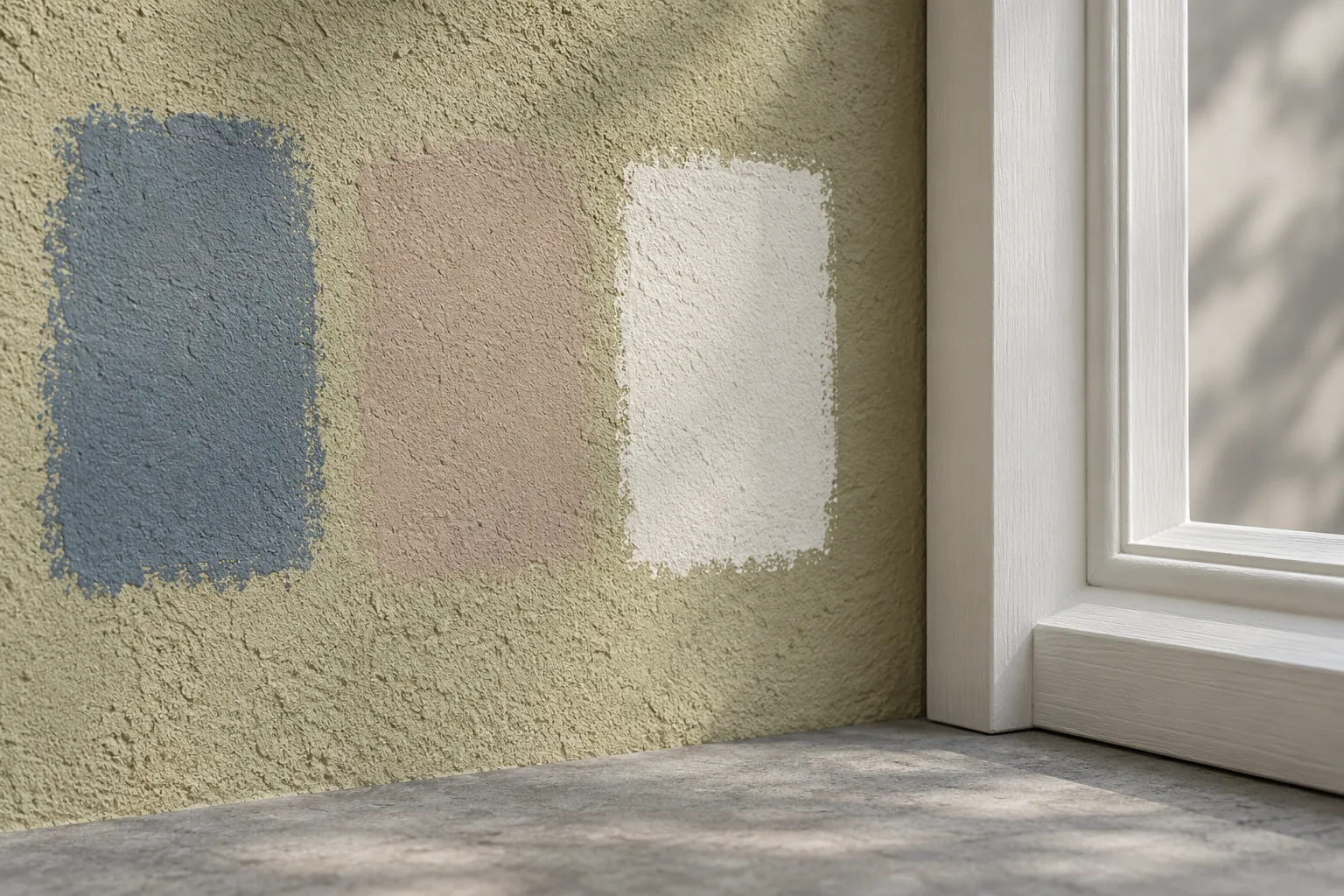
For an exterior, compare the proposed shade and sheen beside the existing masonry and roof rather than relying only on a small card indoors. Record the product, surface and preparation method with the sample. Where a historic finish may survive or the coating system is uncertain, obtain advice before removing it. The accepted sample and the approved treatment should describe the same work.
Arrange professional consent support before instruction
Planning and listed-building consents for the decorating proposal, including work in conservation areas, are handled through Hampstead Chartered Surveyors & Building Consultancy, our sister company. Agree that professional appointment and provide the address, photographs, surface schedule and any previous approvals. The painting instruction can then reflect the permissions and conditions that actually apply, with separate responsibilities for any specialist repairs.
Sources: Hampstead Chartered Surveyors & Building Consultancy
Your Wimbledon painting enquiry
Let’s look at
what you have in mind.
Describe the rooms or elevations that need attention, and anything that will affect access. From a family repaint to a flat between lettings, the first conversation starts with your property.
Outline your repaint
Add your Wimbledon address or postcode and a short description of the work.